
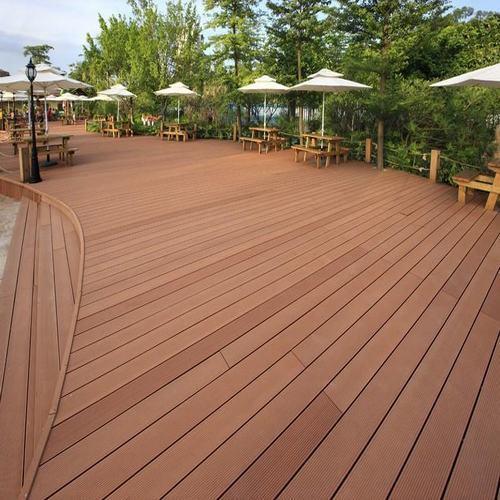

When it comes to modern interior design, sustainability is no longer just a trend—it’s a necessity. Homeowners, designers, and architects are increasingly seeking materials that balance beauty, durability, and eco-friendliness. One standout option is Wood Plastic Composite (WPC) flooring. Known for its impressive performance and environmental benefits, WPC flooring is becoming the preferred choice for those aiming to create eco-friendly interiors without compromising on style.
Understanding WPC Flooring
WPC flooring is a hybrid material made by combining recycled wood fibers and thermoplastic resins. This unique composition makes it both durable and water-resistant, offering advantages over traditional hardwood or laminate. It replicates the natural beauty of wood but with enhanced stability, ensuring it can withstand humidity, scratches, and daily wear.
Unlike hardwood, which requires cutting down trees, WPC flooring uses recycled wood byproducts, making it a greener option. The plastic component also comes from recycled materials, reducing landfill waste and contributing to a more circular economy.
Why WPC Flooring is Sustainable
Made from Recycled Materials
WPC flooring often uses reclaimed wood fibers and recycled plastics. This not only minimizes waste but also reduces the demand for virgin raw materials. Instead of contributing to deforestation, WPC helps in giving discarded materials a new life.
Long Lifespan Reduces Replacement Waste
Durability plays a key role in sustainability. WPC flooring lasts significantly longer than many traditional flooring options. Its resilience against water damage, stains, and wear means fewer replacements, which in turn reduces the environmental impact of disposal and manufacturing.
Low VOC Emissions for Healthy Living Spaces
Many flooring materials release volatile organic compounds (VOCs), which negatively impact indoor air quality. High-quality WPC flooring is designed with low or no VOC emissions, making it safe for homes, offices, and commercial spaces. Better indoor air quality also aligns with eco-conscious living.
Energy-Efficient Production
The manufacturing process of WPC flooring consumes less energy compared to natural hardwood processing. By incorporating recycled elements and optimizing production methods, manufacturers lower carbon emissions, which makes the product more environmentally friendly.
Water Resistance = Reduced Waste
Unlike traditional wood that swells, cracks, or warps with moisture, WPC flooring is water-resistant. This property significantly extends its usability in high-moisture areas like kitchens and bathrooms. Longer-lasting flooring reduces waste and replacement costs, both economically and environmentally.
Eco-Friendly Interiors and WPC Flooring
WPC flooring isn’t just about being green; it also complements modern interior design trends. Designers love it for its ability to mimic natural hardwood textures while offering an extensive range of finishes, colors, and patterns. Whether you’re going for a minimalist, rustic, or luxury aesthetic, WPC adapts effortlessly.
Moreover, sustainable interiors are about promoting health and comfort. WPC flooring offers better insulation and sound absorption compared to tile or laminate, ensuring a quieter, more energy-efficient indoor environment. By retaining warmth, it helps reduce heating costs—yet another eco-benefit.
WPC Flooring vs. Traditional Flooring Options
| Feature | Hardwood Flooring | Laminate Flooring | WPC Flooring |
| Eco-Friendly | Requires cutting trees | Uses synthetic resins | Made from recycled wood & plastic |
| Water Resistance | Poor | Moderate | Excellent |
| Durability | Medium | High but less stable | Very high |
| VOC Emissions | Moderate to high | Can be high | Low/None |
| Lifespan | 10–15 years | 8–12 years | 15–25 years |
Clearly, WPC flooring strikes the right balance between sustainability and practicality.
How WPC Flooring Supports a Greener Future
With growing global awareness about climate change and ecological responsibility, adopting materials like WPC flooring reflects a conscious lifestyle choice. By choosing it, homeowners contribute to:
- Reduced deforestation through the use of recycled wood.
- Lower carbon footprint thanks to energy-efficient production.
- Waste management solutions by repurposing plastics.
- Healthier indoor environments with reduced chemical emissions.
Each installation, whether in a small apartment or a large commercial project, contributes positively toward sustainability goals.
Final Thoughts
Eco-friendly interiors are not about compromise—they’re about innovation, responsibility, and smart choices. WPC flooring Abu Dhabi embodies all these qualities. It provides the timeless charm of wood while promoting environmental stewardship through recycled materials, durability, and healthy living benefits.
For homeowners and designers aiming to create interiors that are both beautiful and sustainable, WPC flooring is a future-ready solution. By investing in this innovative flooring option, you are not only enhancing your home’s aesthetic appeal but also playing a vital role in protecting the planet.
