
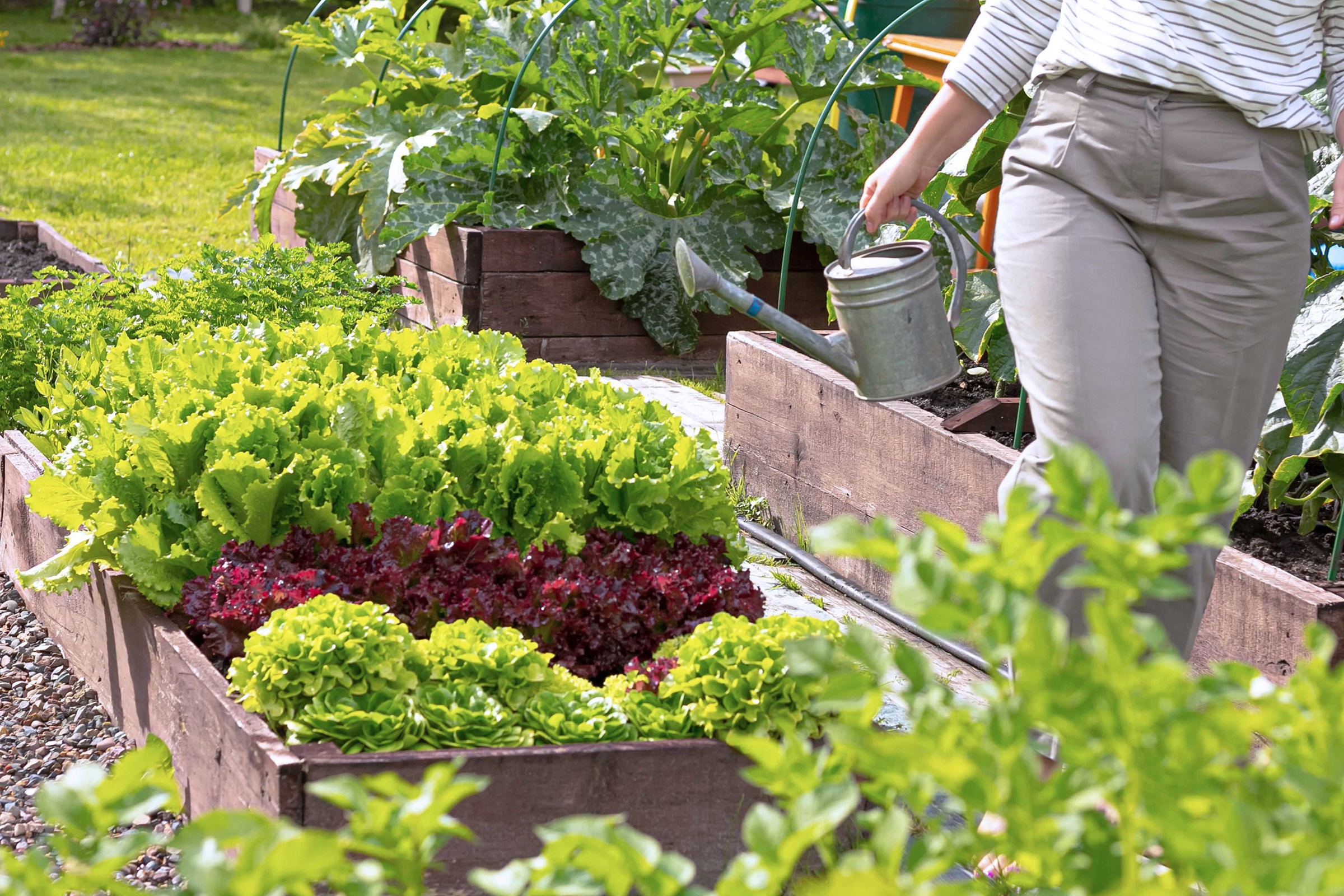

As a gardener in the Yukon, you’re likely familiar with the challenges of growing plants in a region with short growing seasons and cold temperatures. When it comes to deciding how to plant your garden, you may be wondering whether raised beds or ground planting is the better option. In this article, we’ll explore the benefits and drawbacks of each method to help you make an informed decision for your Yukon garden.
Raised Bed Planting
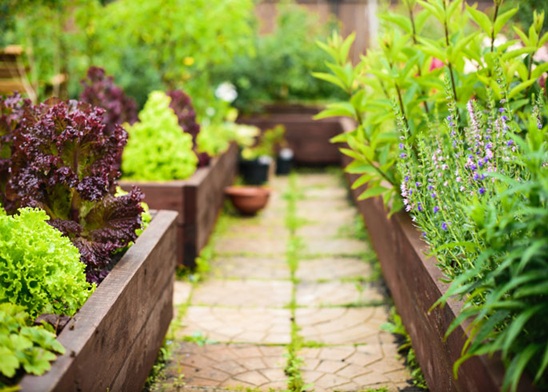
Raised bed planting involves creating a bed above the existing soil level, typically using wooden or composite materials. This method offers several benefits for Yukon gardeners:
- Improved drainage: Raised beds allow excess water to drain away from the roots, reducing the risk of waterlogged soil and root rot.
- Warmer soil: Raised beds warm up faster in the spring, extending the growing season in the Yukon’s cool climate.
- Better accessibility: Raised beds are often waist-high, making it easier to plant, weed, and harvest without straining your back.
- Soil control: Raised beds allow you to control the soil composition, which is particularly useful in areas with poor native soil quality.
However, raised bed planting also has some drawbacks:
- Higher initial cost: Building raised beds requires an initial investment in materials and construction.
- Limited depth: Raised beds typically have a limited depth, which can restrict root growth for plants that require deep soil.
Ground Planting
Ground planting, on the other hand, involves planting directly into the existing soil. This method also has its benefits:
- Lower initial cost: Ground planting requires minimal upfront investment, as you’re working with the existing soil.
- Deeper root growth: Plants can develop deeper root systems, which can lead to healthier and more resilient plants.
- Natural ecosystem: Ground planting allows plants to interact with the natural ecosystem, including beneficial microorganisms and soil organisms.
However, ground planting also has some drawbacks:
- Poor drainage: Ground planting can be prone to waterlogging, particularly in areas with heavy rainfall or poor drainage.
- Soil compaction: Foot traffic and heavy machinery can compact the soil, reducing root growth and plant health.
Which Is Better for Yukon Gardeners?
Ultimately, the decision between raised bed and ground planting depends on your specific needs and preferences. If you have poor native soil quality or limited space, raised beds may be a better option. However, if you have well-draining soil and a larger garden area, ground planting could be a more suitable choice.
Tips for Success in the Yukon
Regardless of which method you choose, here are some tips for success in the Yukon:
- Choose cold-hardy plants: Select plants that are suitable for the Yukon’s climate and can thrive in short growing seasons.
- Use mulch and compost: Mulch and compost can help retain moisture, suppress weeds, and regulate soil temperature.
- Plan for frost: Be prepared for frost and take steps to protect your plants, such as using row covers or bringing plants indoors.
Raised bed and ground planting both have their benefits and drawbacks, and the best option for Yukon gardeners will depend on their specific needs and preferences. By understanding the advantages and disadvantages of each method, you can make an informed decision and create a thriving garden in the Yukon.
