


Each season in Tinton Falls can introduce new pest activity and new risks. So, it helps to know what may unfold across the year to stay ahead of infestations. The climate in Monmouth County can influence how pests behave. That is why Tinton Falls pest control experts always emphasize the need to consider the season when approaching infestations. Alliance Pest Services tailors its methods to the season and climate to ensure successful control of pest populations.
Spring Brings New Pest Activity to Life
Spring in Tinton Falls may arrive with mild days and scattered rain. These conditions encourage dormant pests to wake up and begin moving again. Ants are among the first to appear. When the ground softens, colonies expand fast and search for food in nearby homes.
Termites also grow active during spring. Warmer air triggers swarm season. Residents might notice winged termites near window sills or dark soil tubes along exterior walls. This is the time when termite colonies begin new expansion cycles, which makes spring inspections valuable.
Mosquito concerns also increase. Early rainfall fills gutters, plant pots, and low areas in yards. Mosquitoes will multiply and hover near doorways, porches, and gardens by late spring.
Summer Invites High Heat and High Pest Concerns
Summer in Tinton Falls offers high humidity and warm temperatures that energize numerous pests. This part of the year sees the most robust insect activity, both indoors and outdoors.
- Carpenter ants. These thrive in warm, humid conditions. They tunnel through damp wood, decks, and old beams. Homes with moisture issues often see more carpenter ant movement by mid-summer.
- Wasps. These pests grow aggressive and protective once they secure nesting locations. Nests often appear under rooflines, in shed corners, or near play areas.
- Fleas and ticks reach their peak in summer. Pets that spend time outdoors pick up these pests. Sadly, they may reproduce rapidly when indoors. With Tinton Falls surrounded by wooded areas and open fields, tick exposure can rise in the heart of summer.
- Mosquitoes. These remain persistent due to humid air that keeps them hydrated and active during long twilight hours. These insects make outdoor relaxation less comfortable unless yards stay maintained and free of water accumulation.
Fall Brings Cool Air and a Wave of Invading Pests
The drop in temperatures can force many pests to search for warmth, food, and stable conditions. Homes provide these conditions.
Rodents lead the group. Mice and rats begin entering homes through tiny gaps near utility lines, vents, basement windows, or roof edges. They prefer warm insulation, stored boxes, and quiet corners.
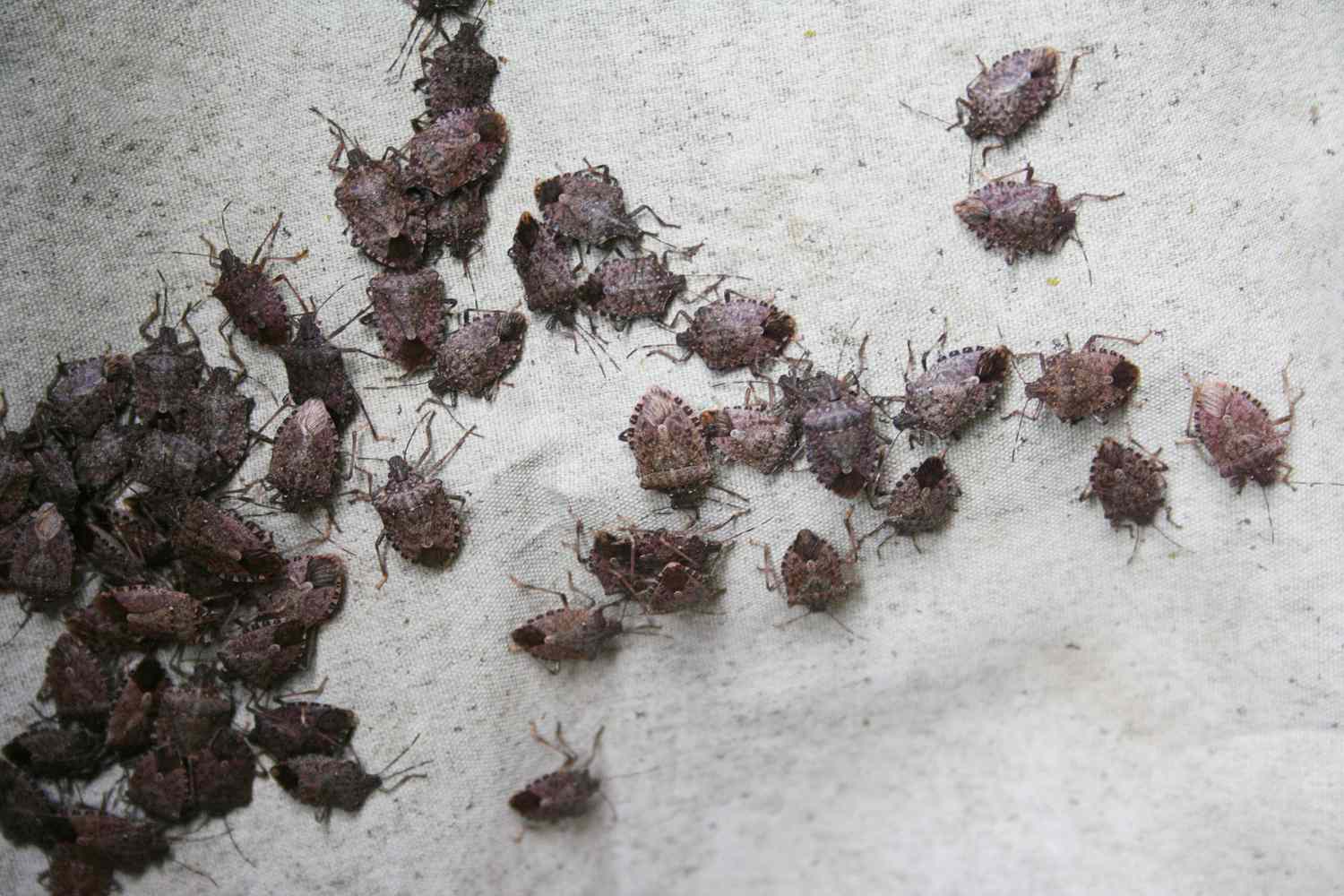
Spiders also roam indoors once outdoor temperatures cool. Many species enter homes in search of insects that have already settled inside. Also, stink bugs and other overwintering insects gather on sunny exterior walls. Once they warm up, they slip into cracks around siding or window frames. In addition, ant activity drops outdoors but continues indoors if colonies have found a food source.
Winter Pushes Pests Deeper Indoors
Winter in Tinton Falls brings cold winds, indoor heating, and less sunlight. These conditions drive pests to remain indoors once they settle there. Mice continue to breed, search for food, and move through wall voids, attics, and crawl spaces. Because outdoor conditions provide little comfort, rodents rely on indoor shelters throughout the winter months.
Cockroaches thrive in buildings that offer warmth and moisture. They can be found in kitchens, bathrooms, and utility rooms. Also, silverfish find comfort in warm basements, laundry rooms, or storage areas. Their need for moisture keeps them hidden in humid corners where they feed on paper goods, fabrics, and adhesives. Some residents see increased spider movement during winter as well. With insects hiding inside, spiders follow their food source and continue to roam. Termite colonies stay active underground or within warm structural wood. Winter weather only slows their movement near cold soil.
