
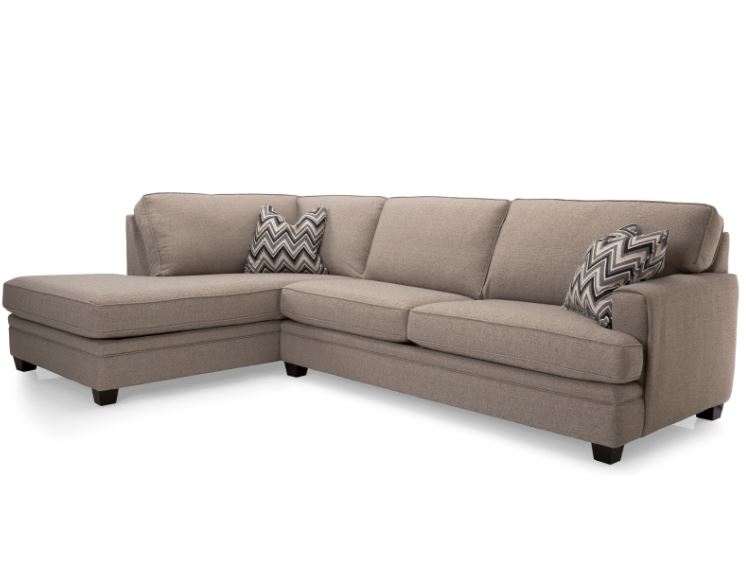

In 2025, sustainability isn’t just a buzzword—it’s a lifestyle choice. Your furniture, especially sofas, can be a major contributor to household waste if discarded too early. Fortunately, eco-friendly sofa repair offers a smart alternative, extending the life of your favorite pieces while minimizing environmental impact. This guide will walk you through sustainable repair practices, materials, and tips to keep your sofa looking fresh without harming the planet.
Why Eco-Friendly Sofa Repair Matters
Sofas are one of the largest investments in a home, often costing hundreds or even thousands of dollars. But the environmental cost of discarding them is staggering:
Landfill waste: Upholstered furniture can take decades to decompose.
Resource depletion: Manufacturing a new sofa requires wood, fabric, and energy.
Carbon footprint: Transportation and production contribute to greenhouse gas emissions.
Repairing your sofa rather than replacing it reduces waste, conserves resources, and lowers your carbon footprint—making it a win for both your home and the planet.
Common Eco-Friendly Sofa Repair Techniques
Here are some of the most effective ways to repair your sofa sustainably:
Fabric Patching and Upholstery Repair
Instead of discarding sofas with minor tears or worn areas, use eco-friendly fabric patches or recycled upholstery materials. Organic cotton, hemp, or recycled polyester can restore your sofa’s look while avoiding synthetic waste.
Pro tip: Choose neutral colors or patterns that complement your sofa for a seamless repair.
Cushion Refilling
Sagging cushions are a common problem, but replacing them entirely isn’t necessary. Many eco-conscious repair shops use recycled foam, natural latex, or shredded fabric to refill cushions. This not only restores comfort but also keeps old materials in circulation.
Frame and Spring Repairs
A broken frame or weak springs often lead to premature disposal. Wooden frames can be reinforced using reclaimed wood, while springs can be replaced with sustainable steel options. This ensures your sofa remains sturdy without contributing to new material waste.
Natural Cleaning and Stain Removal
Traditional chemical cleaners can be harmful to the environment. Switch to eco-friendly alternatives like vinegar, baking soda, or biodegradable upholstery cleaners. Regular cleaning also prolongs the life of your sofa, reducing the need for frequent repairs.
Choosing Sustainable Materials for Sofa Repair
When repairing or upgrading your sofa, always prioritize materials that are renewable, recycled, or low-impact. Here’s what to look for:
Organic fabrics: Cotton, linen, and hemp are biodegradable and chemical-free.
Recycled foam or padding: Keeps synthetic materials out of landfills.
Low-VOC adhesives and glues: Protect indoor air quality while repairing frames or upholstery.
Reclaimed wood: Ideal for repairing or reinforcing sofa frames sustainably.
By choosing these materials, you ensure your sofa repair aligns with eco-conscious values.
DIY vs. Professional Eco-Friendly Sofa Repair
Deciding between DIY and professional repair depends on the damage and your skill level:
DIY Repairs:
Great for small tears, cushion refills, or stain removal.
Cost-effective and convenient.
Requires basic tools and some patience.
Professional Repairs:
Ideal for structural damage or complex upholstery work.
Many professionals now specialize in sustainable repairs, using eco-friendly materials.
Ensures longevity and high-quality results.
For larger sofas or valuable pieces, professional eco-friendly repair is often the better investment.
Benefits of Eco-Friendly Sofa Repair
Repairing your sofa sustainably offers multiple advantages beyond environmental impact:
Cost Savings: Avoid the high expense of purchasing new furniture.
Extended Lifespan: Proper repairs can add years to your sofa’s usability.
Unique Style: Refurbishing allows you to customize fabrics, colors, and textures.
Reduced Waste: Contributes to a circular economy and reduces landfill load.
Healthier Home: Using low-VOC and natural materials promotes better indoor air quality.
Maintenance Tips to Keep Your Sofa Eco-Friendly
Sustaining your sofa after repair is just as important:
Rotate cushions regularly to prevent uneven wear.
Use washable slipcovers made from organic fabrics.
Clean spills immediately with natural, biodegradable cleaners.
Avoid placing sofas in direct sunlight to prevent fading.
Schedule minor repairs early to avoid major replacements later.
The Future of Sustainable Sofa Repair
In 2025, more brands and repair specialists are embracing eco-friendly practices. From upcycled furniture workshops to professional green upholstery services, sustainable sofa repair is becoming mainstream. By choosing repair over replacement, homeowners contribute to a cleaner environment while enjoying stylish, comfortable furniture.
Conclusion
Eco-friendly sofa repair Dubai is no longer just a trend—it’s a practical, sustainable solution for modern living. By opting for recycled materials, natural fabrics, and professional repair services, you can extend your sofa’s life, reduce waste, and create a healthier home. Whether you choose DIY fixes or professional services, every eco-conscious step you take supports a greener 2025.
