
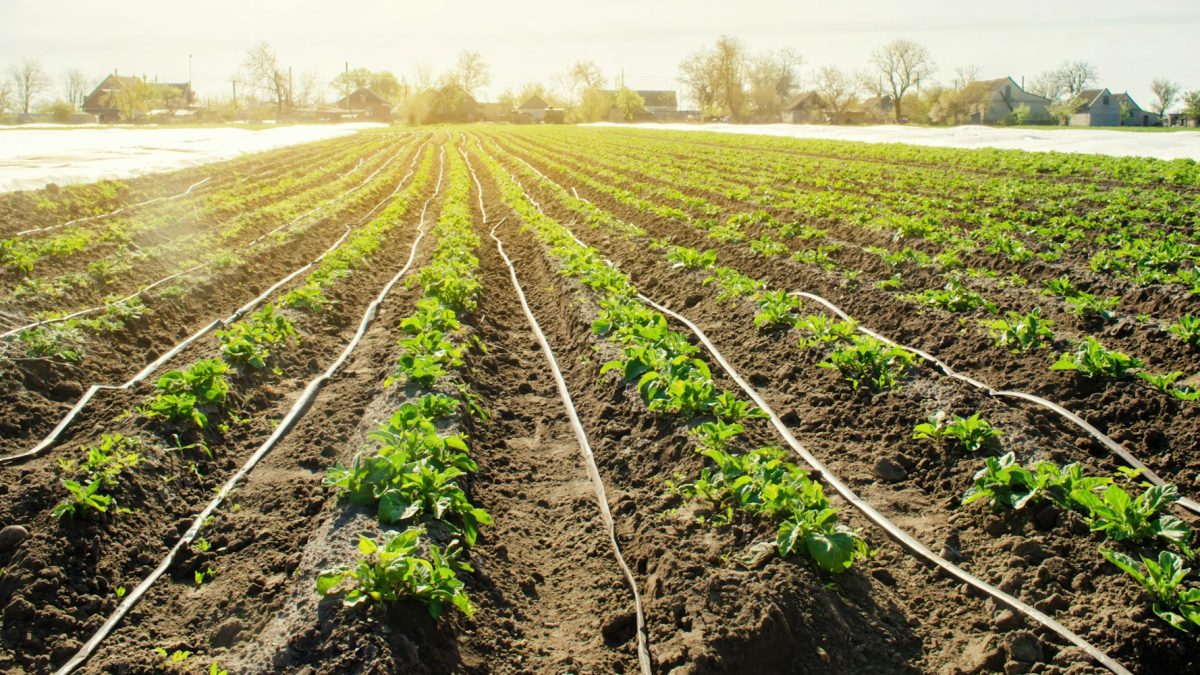

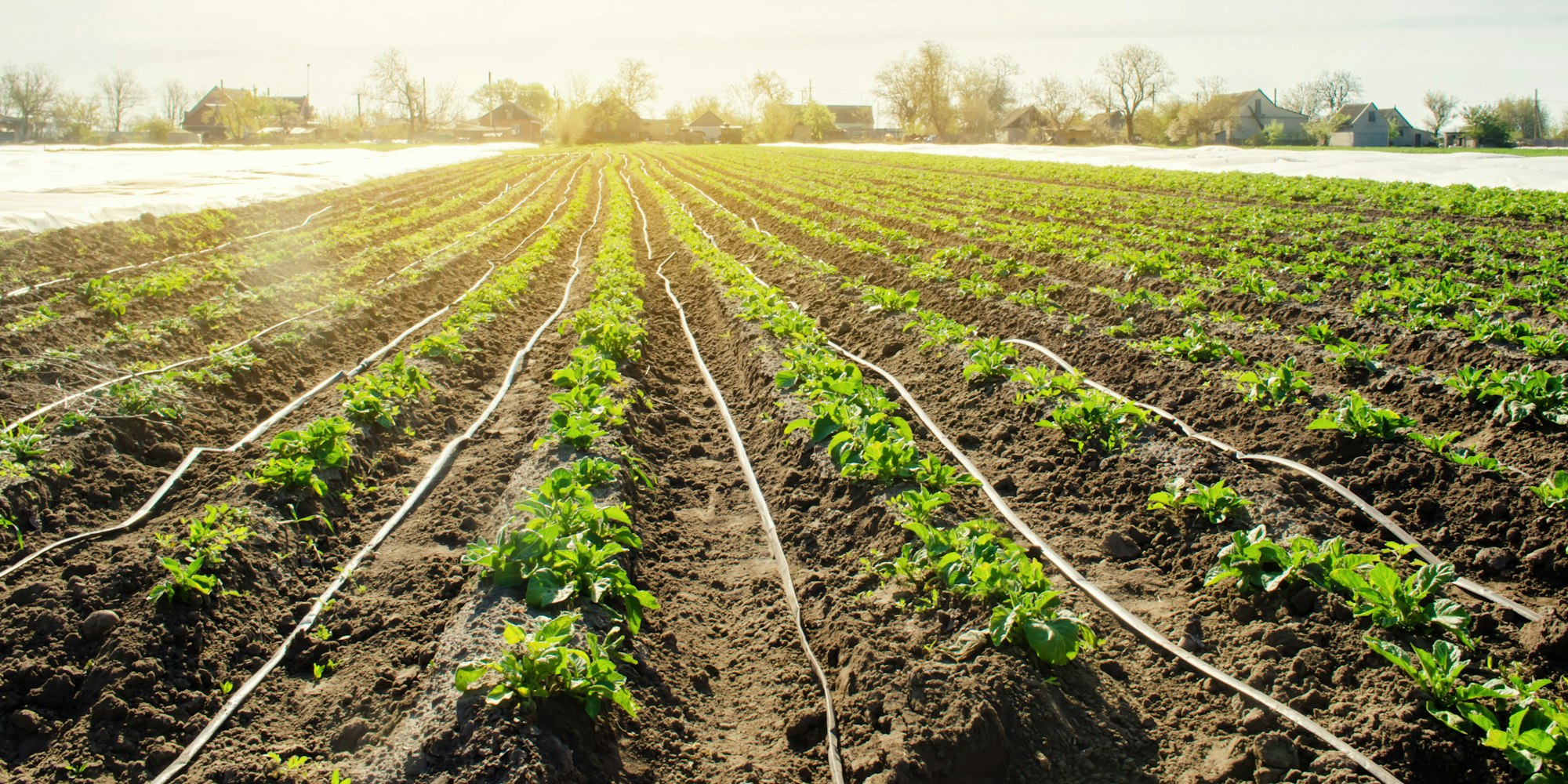
If you are a Nampa homeowner, you might feel proud of your green lawns, but that perfectly watered yard may bring neighbors admiration and other unsavory pests. In Idaho’s semi-arid climate, irrigation systems are a necessary evil, but they also provide the perfect incubator for countless pests right outside your doorstep.
Sure, they feed your grass with constant sprinklers and drip lines, but that moisture is what makes your yard a pest paradise. Given Nampa’s hot summers and its irrigation-reliant grounds, knowing this link is essential in maintaining the safety of your home.
When you see more pests on your property, contact local pest control professionals to pinpoint moisture-related infestations so that the pest does not enter your house. You can always speak to experts from saelapest.com who can assist you.
Irrigation’s Hidden Cost
- The Moisture-Pest Connection
With Nampa sitting at roughly 11 inches of rainfall a year, irrigation systems can be considered a must-have for most homeowners. But that additional watering creates little microclimates around your home that pests just love. Studies indicate that in fields where irrigation is used, between 50% more pests exist compared to other fields without irrigation.
- Standing Water Accumulation
Sprinkler heads that are broken or irrigation schedules that run too often allow water to sit in low areas of your yard. These pockets of standing water can become a breeding ground for mosquitoes in as little as 7-10 days. During Nampa’s summer months, a single birdbath or clogged gutter can create hundreds of mosquitoes weekly.
Beyond the Grass: Where Irrigation Water Settles
Water has a way of moving where you want it to go. Knowing where irrigation runoff collects allows you to know where pest problems may pop up around your Nampa property.
Common problem areas include:
- Sprinkler overspray saturates soil around the foundation perimeter and creates wetness outside of the home
- Garden beds that get mulched and retain water long after the end of a watering cycle are always wet
- In shaded places like under the decks and porches of buildings, where runoff collects and the ground never completely dries
- Near air conditioning units and utility boxes, where bad drainage meets a regular irrigation schedule
Those wet areas are still cool on 90-degree summer days in Nampa, providing both water and cover for pests.
The “Moisture-Loving” Nampa Pest Trio
Three pests particularly flourish on Nampa’s irrigated spaces:
- Mosquitoes: These pests, which depend on irrigation, present serious public health risks with more than 2,500 West Nile Virus cases reported in Idaho, including Canyon County, since 2006. They will breed in any standing water that lasts longer than a week, including clogged gutters, plant saucers, and low spots in your yard.
- Ants: Moisture ants and pavement ants travel along irrigation lines like highways, in search of regular water supplies. They establish nests close to sprinkler heads and leaky pipes and then sense out dampness that can lead them directly inside your residence through cracks in the foundation.
- Earwigs: These party animals assemble in wet mulch, beneath damp stones, and adjacent to dripping irrigation valves. They hide in these damp shelters during hot Nampa afternoons and come out at night to eat plants, often wandering into our homes in search of a cooler, wetter location.
Stay Pest-Free Today!
Irrigation pests around Nampa need a fine balance between managing your landscape and protecting your home. Saela Pest Control knows that Nevada homeowners deal with irrigation system issues, plus seasonal pest pressures, unlike anywhere else. They provide specific treatments that target moisture-focused pests while not interfering with your watering routine or lawn management schedule.
Their technicians are able to pinpoint problem areas that allow irrigation runoff to form pest breeding grounds and advise reasonable solutions tailored to Nampa’s climate. By identifying these problems early, growers avoid bigger infestations later when temperatures increase and irrigation needs are at their highest.
