
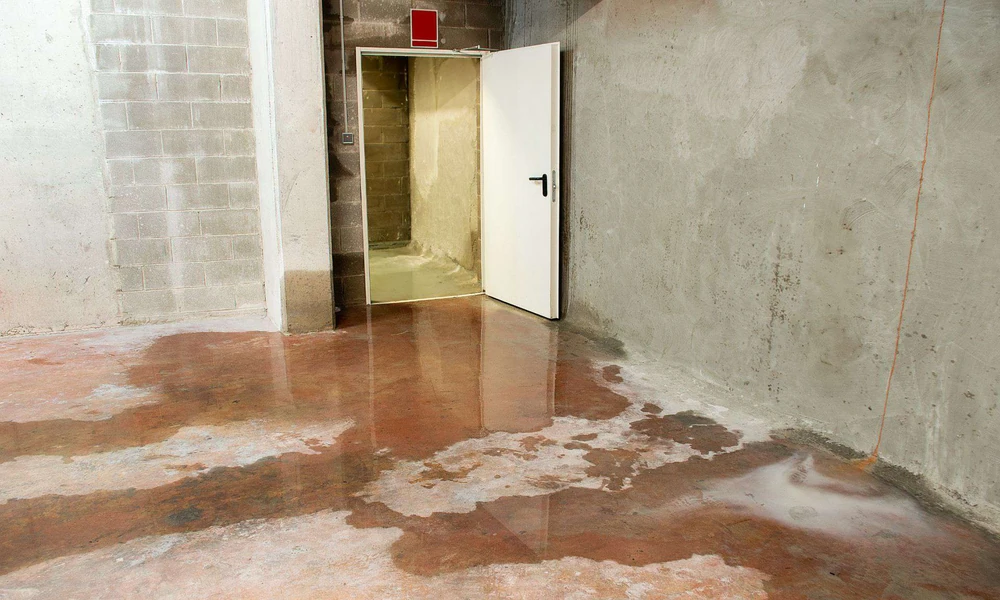

It is a Sunday evening in late September, and the rain that started Friday has finally eased off. You go downstairs to switch the laundry, and your socks go cold before you reach the bottom step. About an inch of water covers the basement floor. It has pooled around the water heater and soaked into the rug under the old couch. By midnight you have a shop vac running, every towel in the house on the floor, and a box fan aimed at the wall. By morning the floor looks almost normal. That is when the real decisions begin.
What happens over the next two or three days matters far more than the size of the puddle. Water moves in ways that are easy to miss. Drywall wicks moisture upward, sometimes well above the visible waterline. Carpet pad holds water long after the fibers feel dry. Mold can start growing on damp organic material within 24 to 48 hours, and water that started clean can pick up contaminants from flooring, dust and soil the longer it sits. Across Lancaster County, older fieldstone foundations are common, much of the county sits on limestone ground, and heavy rains keep testing both. So basements take on water more often than many owners expect.
If the water has already reached walls, flooring, or boxes stored against the foundation, this is the point where an experienced eye pays for itself. DC Eager Emergency Services is a family owned company led by Darlene Eager, who brings 17 years in the trade. They handle Water Restoration in Lancaster County with a crew that can be on site within hours, day or night. Every visit starts with a free assessment built around their motto, “We Educate Before We Estimate,” so you understand what is wet and why before any price is discussed. They use chemical free products, are IICRC affiliated, and serve homes as well as commercial buildings. Once you authorize it, they also take the insurance paperwork off your plate by working directly with your adjuster. If the job grows into mold removal or sewage cleanup, the same team covers that too, and their partner Lancaster Environmental Testing handles inspections.
“The carpet feels dry, so we’re done, right?”
Surfaces dry first and lie the most. The top of the carpet can feel fine by Tuesday while the pad underneath is still saturated. The concrete slab below the pad can hold moisture for days after that. Basement carpet laid directly over concrete usually loses its pad after a real soaking, even when the carpet itself can be saved.
The better move is to measure instead of touch. Pull back a corner near the wettest spot and press the pad. Moisture meters and thermal cameras show where water has spread behind baseboards and under flooring. A good technician compares those readings against a dry section of the same house, so “dry” means your home’s normal level, not a guess.
A common belief is that a couple of fans and the dehumidifier from the closet will finish the job. In practice, a typical household dehumidifier is built to manage everyday humidity, not pull gallons out of soaked materials. Fans without enough dehumidification mostly move wet air around the room. Moisture then settles into cooler surfaces like the foundation wall and the back of the drywall. The room feels better while the wall cavity stays damp, which is exactly where mold gets its start.
“The adjuster won’t call back until Thursday”
Waiting for approval before drying anything is one of the most expensive mistakes a homeowner can make. Most homeowners policies expect you to take reasonable steps to prevent further damage, and emergency drying generally falls under that. Letting materials sit wet for days can give an insurer a reason to question the later damage.
Coverage also depends heavily on where the water came from. A burst supply line is usually treated very differently from groundwater seeping through the foundation or surface water coming in from outside. Standard policies often exclude flood and seepage, and sump pump backup typically needs its own endorsement. It is worth pulling up your policy while the fans are running. While you wait, document carefully:
- Photos and video of the water before cleanup, plus the source if you can find it
- Damaged items with close-ups of model numbers and receipts where possible
- A dated log of every call, name and claim number
- Any materials removed, photographed with a tape measure for scale
“It came up through the floor drain, not out of a pipe”
This changes almost everything. Water that backs up from a floor drain or sewer line is treated as the most contaminated category under the IICRC’s water damage standard. It can carry bacteria and other pathogens even when it looks fairly clear. Porous materials it touched, such as carpet, pad, cardboard and the lower section of drywall, are usually removed rather than cleaned.
Keep children, pets and anyone with a weakened immune system out of the space. Also avoid running the household vacuum or a shop vac you plan to keep, since both can spread contamination. The sensible next move is professional cleanup and sanitizing, followed by a look at why the drain backed up. Tree roots in older clay lines and heavy storm loads on municipal systems are frequent culprits.
“Does the drywall really have to come out?”
Not always, and this is where current restoration practice has shifted. The older default was to cut every wet wall two or four feet up and replace it. Today, when the water was clean and the response came quickly, many walls can be dried in place. Technicians direct air into the wall cavity and track moisture readings until they reach normal levels.
What sits behind the drywall decides a lot. Fiberglass batts in finished basements hold water like a sponge and usually have to go. Rigid foam board tolerates wetting far better. With more homeowners finishing basements into living rooms and home offices, the stakes of this choice keep rising. Ask for readings on each wall before agreeing to any demolition. When removal is needed, targeted cuts cost far less to rebuild than tearing out whole rooms.
“Our old stone walls always get a little damp”
Many farmhouses and city rowhomes around Lancaster have rubble or fieldstone foundations set in soft lime mortar. Some dampness and white mineral residue on those walls is normal and not a crisis. Standing water on the floor is a different story, especially when it shows up after every hard rain.
Once everything is dry, look at the source. Check gutters and downspout extensions, soil grading that slopes toward the house, and whether a sump pit is doing its job. Mortar joints may need repointing with a compatible lime mix rather than hard cement. With winter coming, insulating exposed pipes along those cold stone walls is cheap protection against the next emergency.
Back to that Sunday night
Those towels and that shop vac did real good. Acting fast is the right instinct. The floor that looks dry on Tuesday just isn’t the finish line. The wall behind the couch, the pad under the rug, and the drain in the corner are where the outcome gets decided. Get clear readings and a clear understanding of what the water touched, and the basement goes back to being just a basement.
