
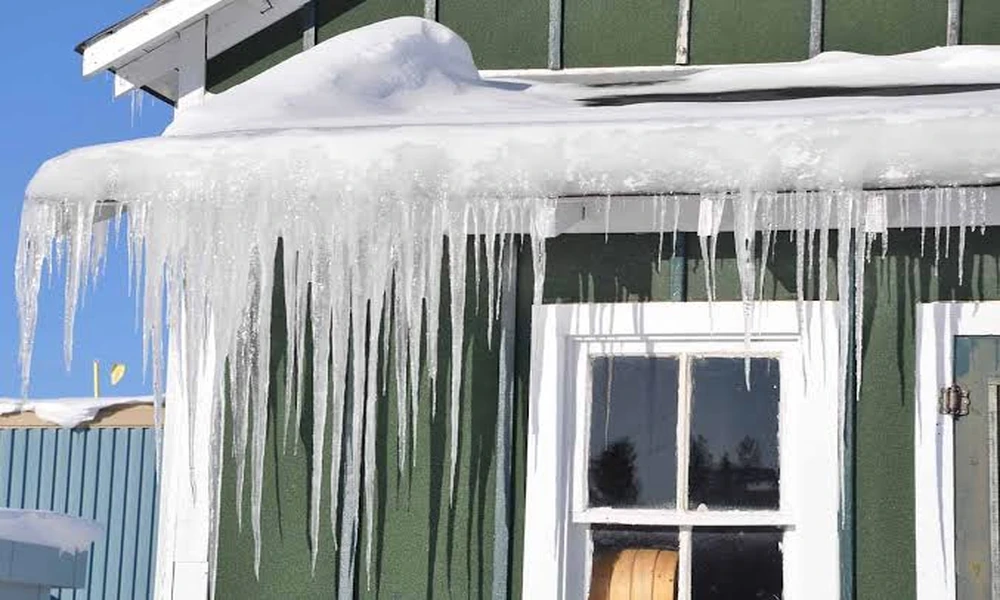

Snow gets the headlines when a winter storm moves across the South. Ice usually does more damage. In January 2025, snow covered the metro area in the morning and turned to freezing rain by the afternoon. That left ice on tree branches, power lines and roofs across the northern half of the state.
Most homes in this region were built for heat, humidity and summer thunderstorms. A night of freezing rain puts different stresses on a roof than any of those, and many of them only show up weeks later as a stain, a sagging gutter or a drip by the fireplace.
That pattern is familiar to anyone who handles residential roofing in Atlanta. The team at rjsroofpros.com has been working on roofs across the metro area for more than 35 years and is GAF certified. Its emergency line also takes calls on weekends, which matters when a storm comes through on a Friday night.
Freezing Rain Is Not Snow
Snow is light and mostly sits on top of a roof until it melts. Freezing rain falls as liquid and freezes the moment it touches a surface below 32 degrees. It coats every shingle tab, gutter lip, vent pipe and branch in a clear glaze, and the layer keeps getting thicker for as long as the rain continues.
That glaze is heavy. Ice is much denser than fresh snow, so a quarter inch spread across a roof and its gutters adds real weight. And because the ground and air around Atlanta warm up quickly after these storms, the ice tends to melt and refreeze for several days in a row instead of melting once and draining away.
Where Ice Does the Most Harm
Gutters. Gutters fill with ice first. Loose spikes, worn hangers or a slight backward pitch can’t hold that much weight, and the gutter pulls away from the fascia. Water then runs behind the gutter and soaks the fascia board and the roof deck edge.
Eaves. On a sunny afternoon, ice higher on the roof melts and runs down to the eaves. The overhang sits over an unheated area and stays colder, so the water refreezes there. That creates a small ice dam, which pushes water back under the shingles at the edge of the roof.
Valleys. Valleys carry the most water on any roof. When meltwater backs up behind ice in a valley, it can work its way under shingles that would shed rain with no trouble.
Flashing and pipe boots. Rubber pipe boots that have already cracked from years of summer sun leak quickly once meltwater pools around them. Chimney flashing with failed sealant does the same.
The shingles themselves. Cold asphalt shingles turn brittle. Climbing on an icy roof to chip ice away or brush it off breaks more shingles than the storm does, and it is one of the most dangerous chores a homeowner can try.
The Trees Above the House
Southern trees are not adapted to carrying ice. Pines, water oaks and Bradford pears are especially prone to breaking under a heavy glaze. The National Weather Service warns that trees and power lines weighed down by ice can fall onto homes, and that the risk gets much worse when gusty wind follows the ice. During the January 2025 storm, much of the damage came from ice-coated limbs breaking, not from snow load.
A falling limb does not have to be large to puncture a roof deck. Even branches that break and hang without falling can scrape off granules every time the wind moves them. Trimming limbs that reach over the roof in the fall, before any ice is in the forecast, costs far less than repairing a puncture in January.
Checking the Roof After the Thaw
Once the ice is gone and the roof is dry, a quick walk around the house can catch problems while they are still small:
- Look along every gutter run for sections pulled away from the fascia or sagging between hangers.
- Check the ground below the eaves for shingle pieces, granules or bits of drip edge.
- Scan the roof from the street with binoculars for creased, lifted or missing shingles, especially near valleys.
- Go into the attic on a bright day and look for daylight, wet insulation or dark streaks on the underside of the deck near the eaves.
- Watch the ceilings near exterior walls and around the chimney for the next few rains.
Damage from ice can take weeks to show up. Water that got under the shingles during the storm may need several more rains before it shows on a ceiling. Taking photos right after the thaw makes it much easier to link damage to the storm if an insurance claim follows.
What Mild Climate Roofs Often Leave Out
Building codes in colder regions require a self-adhering ice barrier membrane along the eaves. Many homes in warmer areas were built without one, since ice dams are rare. Adding ice and water shield at the eaves and in the valleys during a reroof costs little compared to the total job, and it gives meltwater one more layer to get past.
Attic conditions matter too. Warm, poorly ventilated attics melt the bottom of the ice from underneath, and that meltwater refreezes at the colder eaves. Balanced intake and exhaust ventilation, along with enough insulation on the attic floor, keep the roof deck closer to the outside temperature so ice melts evenly rather than in cycles.
Gutters are worth a closer look as well. Hidden hangers screwed into the fascia every couple of feet hold far more weight than old spike and ferrule systems. On homes surrounded by tall trees, keeping gutters clear before winter gives meltwater a path off the roof.
Freezing rain only reaches Atlanta every year or two, which makes it easy to forget about. The roofs that hold up best are the ones prepared in the fall, when the work is simple, the weather is mild and there’s no ice yet.
Is Your Roof Built for Freezing Rain?
