
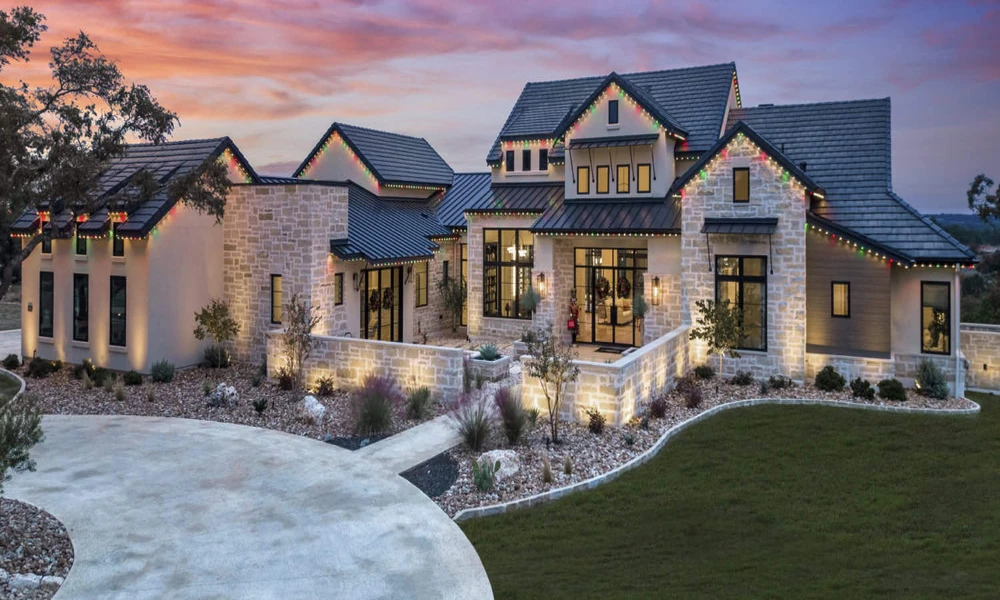

Living in Wimberley, Texas offers something many homeowners dream about-wide-open spaces, mature oak trees, scenic Hill Country views, and the freedom to build the property you’ve always wanted. Whether you own five acres or fifty, rural living often includes detached garages, workshops, barns, guest houses, RV hookups, outdoor entertainment areas, and agricultural buildings.
While these features create incredible opportunities, they also introduce electrical challenges that are very different from those found in suburban neighborhoods. Long electrical runs, underground power distribution, backup generators, and multiple electrical panels require careful planning to ensure safety, efficiency, and future expansion.
That’s why many property owners rely on Tejas Electric Wimberley, TX Electricians when designing electrical systems that meet today’s needs while leaving room for tomorrow’s projects.
Let’s take a deep dive into what makes rural electrical design unique.
Rural Electrical Systems Require More Than Basic House Wiring
Most homes inside a subdivision receive utility power only a short distance from the electrical meter. Rural properties are different.
A single property may include:
- Main residence
- Detached garage
- Large workshop
- Barn
- Horse stable
- RV parking
- Water well
- Septic equipment
- Automatic entrance gate
- Outdoor kitchen
- Pool
- Guest house
- Landscape lighting
Each structure adds electrical demand and often requires power hundreds of feet away from the home’s main electrical service.
- Low voltage
- Frequent breaker trips
- Overloaded circuits
- Future expansion limitations
- Expensive rework
A properly designed electrical system considers both today’s electrical needs and future growth.
Underground Feeders Are the Best Choice for Rural Properties
One of the biggest decisions involves how electricity reaches detached buildings.
For most rural properties, underground feeders provide numerous advantages.
Benefits include:
- Cleaner appearance
- Protection from storms
- Reduced risk of falling tree limbs
- Less maintenance
- Increased property value
- Better long-term reliability
Underground electrical feeders are commonly installed inside PVC conduit at proper burial depths according to the National Electrical Code (NEC).
The conduit size should also allow room for future wiring additions whenever possible.
Planning ahead today can eliminate expensive trenching later.
Long-Distance Power Distribution Requires Careful Engineering
Many Wimberley properties have detached buildings located hundreds of feet from the main electrical service.
Distance matters.
Electricity naturally loses voltage over long wire runs.
This is called voltage drop.
Excessive voltage drop can cause:
- Dim lighting
- Poor motor performance
- Air conditioner issues
- Damaged electronics
- Equipment overheating
- Increased energy waste
Proper conductor sizing becomes extremely important on acreage properties.
Instead of simply using the minimum wire size required by code, electricians often increase conductor size to minimize voltage loss.
Although larger wire costs more initially, it often saves money by improving efficiency and protecting expensive equipment.
Detached Workshops Often Need More Power Than Expected
Many homeowners underestimate the electrical demands of a workshop.
Common equipment includes:
- Air compressors
- Welders
- Table saws
- Dust collection systems
- Large lighting systems
- Heating and cooling equipment
- Battery charging stations
- Vehicle lifts
A workshop that initially seems small can quickly evolve into a professional-grade workspace.
Rather than installing just a few outlets, many electricians recommend installing a dedicated subpanel that provides room for future circuits.
Planning for expansion is significantly less expensive than upgrading everything later.
Barn Wiring Has Its Own Electrical Challenges
Barns present a unique combination of moisture, dust, livestock, equipment, and changing environmental conditions.
Electrical systems inside barns often include:
- Interior lighting
- Exterior security lighting
- Automatic water systems
- Ventilation fans
- Feed equipment
- Livestock heaters
- Stall lighting
- Receptacles for maintenance equipment
Because barns frequently contain combustible dust and moisture, electrical equipment should be selected specifically for these environments.
Proper grounding and GFCI protection are especially important where water is present.
Durable wiring methods also help prevent accidental damage from animals and farm equipment.
Electrical Subpanels Make Rural Properties Easier to Manage
One of the smartest investments on larger properties in Texas is installing electrical subpanels.
Rather than running dozens of individual circuits from the main home, electricians install feeders that supply separate distribution panels in detached buildings.
Advantages include:
- Shorter branch circuits
- Easier troubleshooting
- Room for expansion
- Improved electrical organization
- Better breaker accessibility
- Reduced voltage loss
Subpanels also allow future additions without disturbing the home’s main electrical panel.
If a workshop later receives an EV charger or additional machinery, those circuits can often be added directly to the subpanel.
Backup Generator Planning Is Essential in Rural Texas
Power outages tend to affect rural areas differently than urban neighborhoods.
Storms, fallen trees, wildlife, and utility repairs can leave acreage properties without electricity for extended periods.
Backup power planning should consider:
- Refrigeration
- HVAC systems
- Medical equipment
- Water wells
- Septic systems
- Internet equipment
- Security systems
- Automatic gates
A standby generator can restore power automatically within seconds after an outage begins.
Portable generators can also provide temporary power, but they require proper transfer equipment to prevent dangerous backfeeding into utility lines.
Generator sizing depends on the home’s actual electrical load rather than simply its square footage.
Professional load calculations help homeowners choose the right generator without overspending.
Outdoor Lighting Does More Than Improve Appearance
Large rural properties benefit tremendously from thoughtfully designed outdoor lighting.
Well-planned lighting improves:
- Security
- Safety
- Navigation
- Property appearance
- Wildlife awareness
- Evening entertainment
Popular lighting installations include:
- Driveway lighting
- Gate lighting
- Landscape accent lighting
- Barn lighting
- Security floodlights
- Pathway lighting
- Deck lighting
- Outdoor kitchen lighting
Modern LED lighting provides exceptional brightness while consuming very little electricity.
Many homeowners also integrate smart controls that allow lighting schedules or remote operation from a smartphone.
Acreage Load Calculations Are Critical
One mistake often seen on expanding rural properties is designing electrical service only for the current home.
Professional electricians perform detailed load calculations that account for both present and future electrical demands.
These calculations may include:
- Heating and cooling systems
- Electric water heaters
- Kitchen appliances
- Pool equipment
- Well pumps
- Workshop equipment
- Future EV chargers
- Hot tubs
- Agricultural buildings
- Outdoor entertainment spaces
A service that seems sufficient today may become undersized after several property improvements.
Planning ahead helps avoid costly service upgrades later.
Why Voltage Drop Should Never Be Ignored
Voltage drop is one of the most overlooked issues on rural properties.
Imagine installing a detached garage 350 feet from your home.
If the wiring isn’t properly sized, power may reach the building at significantly lower voltage than intended.
The consequences may include:
- Slow-running motors
- Damaged compressors
- Flickering lights
- Equipment failures
- Reduced equipment lifespan
Licensed electricians calculate voltage drop using several factors, including:
- Circuit length
- Wire material
- Wire size
- Expected amperage
- Continuous electrical load
These calculations help ensure every building receives reliable power.
Can a Handy Homeowner Install Rural Electrical Systems?
Many homeowners enjoy tackling home improvement projects themselves.
Painting, landscaping, shelving, fencing, and carpentry can often be rewarding DIY projects.
However, rural electrical distribution is an entirely different category.
Projects involving underground feeders, service equipment, generators, detached buildings, and electrical subpanels involve significant safety risks and must comply with the National Electrical Code, local regulations, and utility requirements.
Mistakes can result in:
- Electrical fires
- Shock hazards
- Equipment damage
- Failed inspections
- Insurance claim complications
- Expensive repairs
Improper grounding, incorrect conductor sizing, overloaded circuits, or inadequate voltage calculations may not reveal themselves immediately, but they can create serious long-term problems.
For these reasons, installations involving generator systems, underground electrical feeders, service upgrades, detached buildings, and power distribution across acreage should be left to Texas licensed electricians in Wimberley, TX who understand local codes, permit requirements, and the unique electrical demands of Hill Country properties.
While Texas homeowners can often handle simple maintenance tasks like replacing light bulbs or installing approved decorative fixtures according to manufacturer instructions, major electrical infrastructure projects are best completed by experienced professionals.
Planning Today Saves Thousands Tomorrow
One of the greatest advantages of building on rural property is flexibility.
Your land may eventually include:
- Additional garages
- Guest homes
- RV hookups
- Pools
- Outdoor kitchens
- Home offices
- Solar systems
- Electric vehicle charging stations
- Agricultural buildings
Electrical planning should anticipate those possibilities from the very beginning.
Installing slightly larger conduit, properly sizing feeders, allowing room in subpanels, and designing for future expansion can dramatically reduce future construction costs.
Many Texas homeowners never regret installing extra electrical capacity-but they often regret not doing so.
Trust Experienced Electrical Design for Your Wimberley, Texas Property
Designing electrical systems for rural homes requires more than simply extending power from one building to another. Every property has unique challenges based on acreage, terrain, future expansion plans, and electrical demand. Proper underground feeder installation, voltage drop calculations, backup generator planning, barn wiring, detached workshops, subpanels, and outdoor lighting all work together to create a safe, dependable electrical system built to last.
Whether you’re building a custom home, expanding an existing ranch, or upgrading an aging electrical system, working with experienced professionals helps ensure every component is installed safely and designed for long-term reliability. Tejas Electric Wimberley, Texas Electricians understand the unique needs of Hill Country properties and can help homeowners develop electrical solutions that support both current lifestyles and future growth.
When your property deserves dependable power-from the front gate to the farthest workshop-investing in professional electrical design is one of the smartest decisions you can make.
