
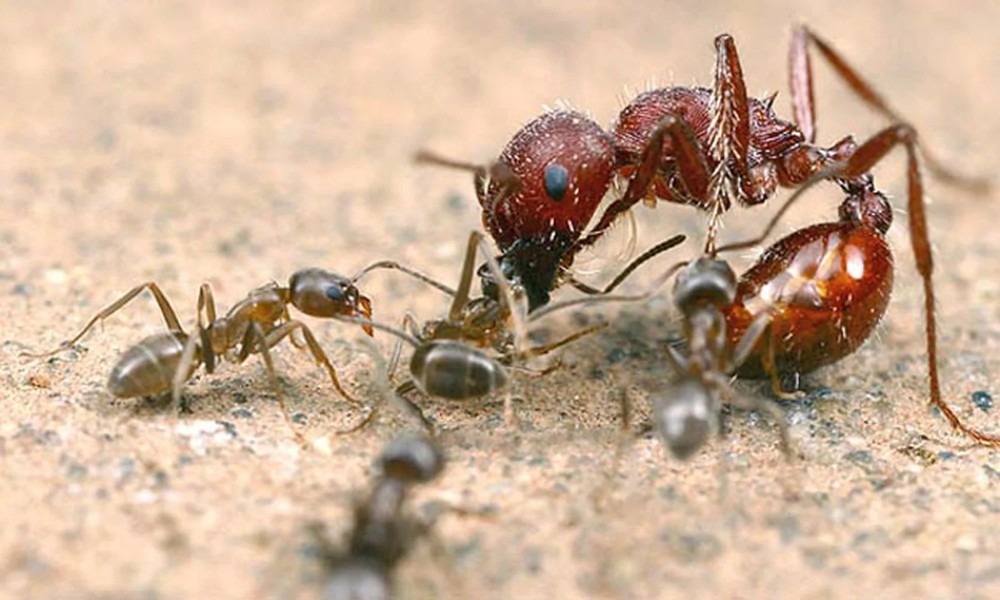

Southern California homeowners face persistent battles with two distinctly different ant species that cause unique problems and require specific treatment approaches. Argentine ants and carpenter ants represent the most common ant infestations throughout the region, yet many property owners struggle to identify which species has invaded their home. Misidentifying these ants leads to ineffective treatment strategies, wasted money, and continued frustration as infestations persist or worsen. Understanding the key differences between these species and knowing how to address each type of infestation is essential for protecting your property and maintaining a pest-free environment.
Argentine Ants: The Relentless Invaders
Argentine ants dominate residential areas throughout Southern California and have earned their reputation as one of the most difficult pests to control. These small ants measure only 2.2 to 2.8 millimeters in length, making them noticeably smaller than most other ant species. Their coloring ranges from light brown to dark brown, and they lack the distinct waist segments visible in many other ant types. Under magnification, you can observe their single node between the thorax and abdomen, though most homeowners identify them simply by their size and behavior patterns.
What makes Argentine ants particularly problematic is their social structure. Unlike most ant species that maintain distinct colonies competing for territory, Argentine ants form cooperative super colonies containing multiple queens and millions of workers. These super colonies can span entire neighborhoods, with workers from different nests freely mixing without aggression. When you spray one nest, workers simply relocate to connected nests nearby, making elimination extremely challenging without comprehensive treatment strategies.
Argentine ants are primarily nuisance pests rather than structural threats. They invade homes searching for food and water, particularly during hot, dry weather when outdoor resources become scarce. You will find long trails of these ants leading to food sources, pet bowls, sugary spills, and moisture around sinks and pipes. They prefer sweet substances but will consume proteins, fats, and nearly any food available. Their colonies nest outdoors in shallow soil under objects like landscape timbers, stones, mulch, and potted plants, but they readily move indoors during extreme weather.
Carpenter Ants: The Structural Destroyers
Carpenter ants present an entirely different threat to Southern California homes. These large ants measure 6 to 13 millimeters in length, making them roughly three times larger than Argentine ants. Most carpenter ant species in this region are black or dark brown, though some have reddish coloring on their thorax. Their most distinctive feature is their evenly rounded thorax when viewed from the side, and they possess a single node between their thorax and abdomen similar to Argentine ants but at a much larger scale.
The critical difference between carpenter ants and Argentine ants lies in their nesting behavior and the damage they cause. Carpenter ants excavate wood to create smooth, clean galleries for their nests. They do not eat wood like termites but instead chew through it to create living spaces, disposing of the wood fragments as sawdust-like frass. This excavation activity can significantly weaken wooden structures over time, potentially compromising structural integrity and requiring expensive repairs.
Carpenter ant colonies typically establish parent nests in moist, decaying wood outdoors in tree stumps, landscape timbers, woodpiles, or damaged wood siding. Once the colony matures, they create satellite colonies in drier wood, which often leads them into wall voids, attics, and other wooden structural components of homes. Unlike Argentine ants that forage throughout the day, carpenter ants are primarily nocturnal. You might notice individual ants wandering inside during evening hours, or discover small piles of sawdust beneath wooden structures where they are actively excavating.
Key Identification Differences
Several observable characteristics help distinguish between these two ant species even without close examination. Size is your first clue, as carpenter ants appear dramatically larger than Argentine ants. If you can easily see individual ant body segments with the naked eye, you are likely looking at carpenter ants. Behavior patterns also differ significantly. Argentine ants travel in obvious trails with hundreds of workers moving between food sources and nests. Carpenter ants typically forage individually or in small groups and are most active during nighttime hours.
Look for physical evidence around your property. Sawdust or wood shavings near wooden structures indicate carpenter ant activity. Large black ants emerging from wood, walls, or ceilings at night strongly suggest carpenter ant colonies. Conversely, massive trails of small ants across countertops, floors, and exterior walls during daylight hours point to Argentine ant infestations. The location and timing of ant activity provide valuable identification clues that guide appropriate treatment strategies.
Treatment Approaches for Each Species
Argentine ant control requires patience and comprehensive strategies because of their super colony structure. Surface sprays and ant baits available at retail stores typically provide only temporary relief, as workers simply avoid treated areas and relocate nests. Effective treatment involves liquid barrier applications around your home’s perimeter, treating all potential nesting sites in landscaping, and disrupting the super colony’s ability to maintain its vast network. Professional treatments use non-repellent products that ants cannot detect, allowing workers to carry the treatment throughout the colony system before it takes effect.
Carpenter ant elimination focuses on locating and destroying nests rather than just killing foraging workers. This often requires extensive inspection to find parent colonies and satellite nests hidden within wall voids or structural wood. Treatment may involve dust applications into wall voids, direct nest injections, exterior perimeter treatments, and elimination of moisture problems that initially attracted carpenter ants. Removing damaged wood and addressing water leaks are essential components of long-term carpenter ant prevention.
Professional Expertise Matters
Successfully identifying and eliminating ant infestations requires experience and specialized knowledge of ant behavior and biology. Misdiagnosis leads to inappropriate treatments that waste time and money while allowing infestations to worsen. Professional pest control technicians can quickly identify ant species, locate nests, and implement targeted treatment plans that address the specific challenges each species presents. If you are dealing with persistent ant problems, contact Lake Elsinore Pest Control for expert inspection and customized treatment solutions that eliminate ants and prevent future infestations.
