
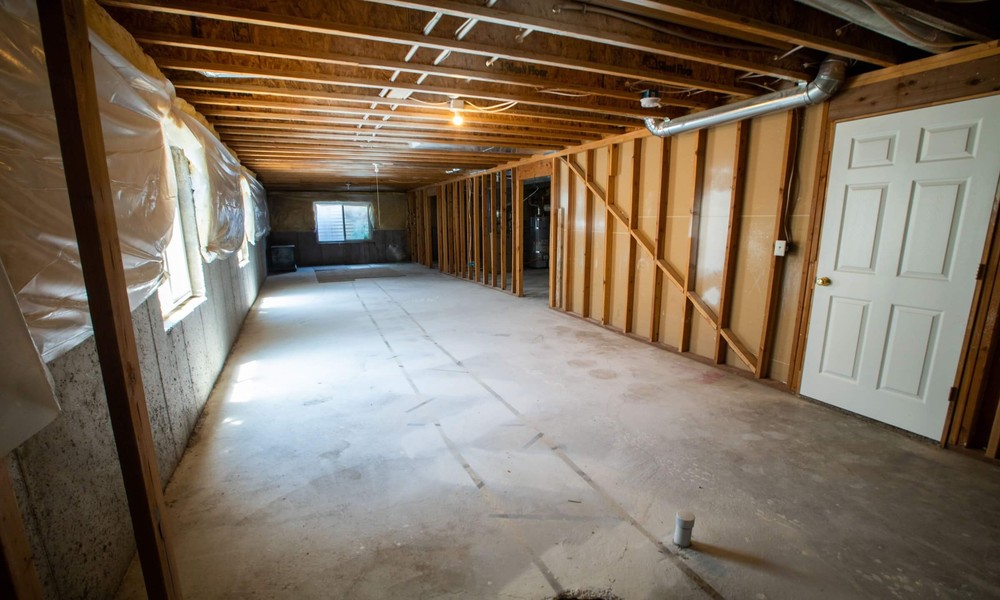

As housing costs rise and homeowners look for ways to maximize the value of their property, creating rental income from a basement has become an increasingly attractive option. For many homes, however, low ceiling heights, structural limitations, or outdated foundations stand in the way. This is where basement underpinning often enters the discussion. While underpinning is a significant investment, it can fundamentally change what a basement is capable of supporting-both structurally and financially.
Determining whether basement underpinning is worth it for rental income requires more than a simple cost comparison. It involves understanding how underpinning affects usability, compliance, long-term durability, and the earning potential of the space. When viewed holistically, underpinning can become a strategic investment rather than just a construction expense.
Why Ceiling Height Is a Major Barrier to Rental Use
One of the most common obstacles to creating a rentable basement unit is insufficient ceiling height. Many older homes were built with basements intended only for storage or mechanical systems, not for habitation. Low ceilings make spaces feel cramped, reduce natural light potential, and often fail to meet building code requirements for living areas.
Basement underpinning addresses this issue directly by lowering the basement floor and reinforcing the foundation. This creates the clearance needed for a comfortable, compliant living space. Without sufficient ceiling height, even a well-finished basement may struggle to attract tenants or meet legal standards. Underpinning removes this limitation at its source.
Meeting Building Code and Legal Requirements
Legal rental units must meet specific building code requirements related to ceiling height, egress, structural integrity, and safety. Attempting to create a rental unit without addressing foundational limitations can lead to compliance issues, failed inspections, or future legal complications.
Basement underpinning strengthens the foundation while enabling the dimensional changes required to meet code. This structural upgrade supports proper exits, fire separation, insulation, and mechanical systems. For homeowners interested in long-term rental income, compliance is not optional-it is essential. Underpinning helps ensure the basement can be legally and safely rented.
Increased Rental Appeal and Marketability
Rental units that feel open, bright, and structurally sound command higher demand than those that feel improvised or cramped. Ceiling height plays a major role in how a space is perceived, as does overall layout flexibility.
By enabling full-height ceilings and a more functional layout, basement underpinning improves the rental appeal of the unit. Tenants are more likely to view the space as a true apartment rather than a converted storage area. This perception can influence both rental rates and tenant quality, contributing to more stable income over time.
Long-Term Structural Confidence for Landlords
Rental properties introduce ongoing use and occupancy, which places additional demands on a home’s structure. Floors must remain level, walls stable, and foundations capable of handling sustained load without movement.
Basement underpinning provides a deeper, more stable foundation that is better equipped to support these demands. This structural confidence is particularly important for landlords, as foundation issues can disrupt tenants, lead to costly repairs, and create liability concerns. Underpinning reduces these risks by addressing structural limitations before rental use begins.
Evaluating the Financial Return Over Time
From a financial standpoint, the return on basement underpinning depends on rental rates, local demand, and long-term ownership plans. While underpinning requires significant upfront investment, rental income is recurring. Over time, this income can offset the initial cost and contribute to overall property profitability.
In many cases, rental income generated from a properly finished, code-compliant basement can cover a substantial portion of the underpinning investment within several years. For homeowners planning to hold the property long-term, this recurring revenue can transform underpinning into a revenue-generating upgrade rather than a sunk cost.
Flexibility Beyond Immediate Rental Use
Even if rental income is not immediate, basement underpinning adds flexibility that supports future opportunities. A reinforced, full-height basement can be adapted for rental use later, converted to a multi-generational living space, or used for personal needs.
This adaptability adds value even if the rental plan changes. Homeowners are no longer constrained by structural limitations when deciding how to use their basement. That flexibility itself carries long-term financial and lifestyle benefits.
Comparing Underpinning to Partial Alternatives
Some homeowners consider alternatives such as bench footing to reduce costs. While these options can increase ceiling height to some extent, they often sacrifice usable floor space and may limit layout options.
Basement underpinning preserves full basement width while providing greater structural reinforcement. For rental purposes, this translates to better layouts, higher usability, and stronger tenant appeal. When income potential is the goal, the more comprehensive solution often delivers better results over time.
Risk Management and Peace of Mind
Owning a rental property involves risk, from maintenance issues to tenant concerns. Structural problems add another layer of uncertainty that can quickly erode profitability.
By addressing foundation depth and stability through underpinning, homeowners reduce the likelihood of future structural repairs that could disrupt rental income. This risk reduction contributes to peace of mind and supports consistent cash flow, which is often just as valuable as the income itself.
When Basement Underpinning Makes the Most Sense for Rentals
Basement underpinning is most worthwhile for rental income when the existing basement is structurally sound but limited by height, when local rental demand is strong, and when homeowners plan to retain the property long-term. In these scenarios, underpinning enables legal compliance, improved usability, and reliable income generation.
It may be less appropriate for homeowners seeking short-term resale without rental use, or where alternative solutions meet code requirements without structural modification. Proper assessment helps clarify whether underpinning aligns with rental goals.
Viewing Underpinning as a Strategic Investment
Creating rental income is not just about finishing a basement-it is about ensuring the space is safe, compliant, and attractive for years to come. Basement underpinning plays a foundational role in achieving that goal by removing structural barriers that limit potential.
When approached strategically, underpinning can convert underutilized space into a long-term income stream while strengthening the home as a whole. For homeowners serious about rental income, basement underpinning is often not just worth it-it is the key that makes the opportunity possible.
