
Winter in Frisco can mean cooler air and shorter days. This is the reason many people think that pest activity will slow down during this season. However, winter pest problems in Frisco can become worse when not addressed as soon as possible. So, homeowners need to have a company that can help them handle an active infestation and prevent future ones from taking place. Thankfully, Romney Pest Control has been in the industry for many years, with extensive experience in dealing with different types of pests.
The cold weather can change pet behavior. Pests search for shelter as outdoor food and warmth fade. That is why they end up inside homes where there is stable temperatures, water access, and plenty of hiding spots. Frisco winters stay mild compared to northern states. Short cold snaps may slow pests, but they do not wipe them out.
Rodents Become a Serious Winter Threat
Mice and rats can fit through gaps the size of a coin and often enter through garages, attic vents, or foundation cracks. They can nest in walls, insulation, and storage areas. Rodents chew constantly and can damage wires, wood, and plastic. This damage can increase fire risk and lead to costly repairs. Also, rodent droppings can contaminate food areas and spread bacteria.
Cockroaches Do Not Take a Winter Break
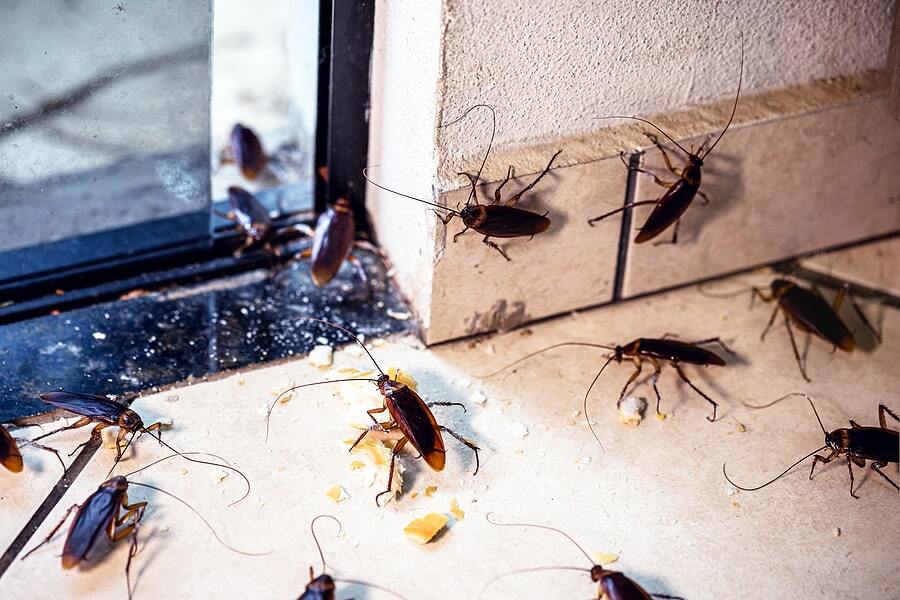
Cockroaches thrive indoors during winter. They get warmth and moisture from kitchens and bathrooms. German and American roaches remain active all year in Frisco.
A winter infestation may stay hidden. Roaches may hide in cabinets, behind appliances, and inside wall voids. They will continue to grow their population without being noticed for a long time. Homeowners will notice an infestation once the odors and stains have become significantly obvious. Unfortunately, roaches can trigger allergies and asthma.
Ant Activity Can Surprise Homeowners
Many ants may slow down outdoors in winter, but some species stay active indoors. They enter homes through small gaps and build nests in walls or under floors. They forage for food without facing cold air when inside warm indoor spaces. Ant trails may appear near sinks, pantries, or pet food bowls. If ignored, colonies grow and spread to new areas of the house.
Spiders Seek Shelter and Multiply Quietly
Spiders may move indoors as temperatures drop. Most of these pests pose little danger, but their presence can point to another issue. Spiders follow prey. A rise in spider activity can suggest that other insects remain active inside the home.
Spiders usually hide in basements, attics, and closets. They build webs and settle in corners rarely disturbed during winter. This situation may not feel urgent, but it indicates an indoor food chain at work.
Termites Remain a Hidden Risk
Termites do not vanish in winter. Subterranean termites stay active below ground, where soil stays warm. They may continue feeding on wood structures without any clear sign. Inspections may not be done frequently in the winter, so damage can progress unnoticed. Repairs may cost much more than expected by spring. Termites cause structural harm that can affect floors, walls, and support beams.
Moisture Makes Winter Infestations Worse
Winter can introduce its own moisture problems. Damp areas can result from condensation from heating systems, leaky pipes, and poor ventilation. Insects are drawn to crawl spaces, bathrooms, and laundry rooms during colder months. Moisture allows pests to survive longer and reproduce faster.
Clutter Can Help Pests Settle In
Holiday storage, packed closets, and unused rooms give pests more places to hide. Cardboard boxes provide warmth and nesting material for rodents and insects. During winter, people often store items and leave them untouched for months. This quiet space allows infestations to grow without being noticed.