
What Is Asbestos?
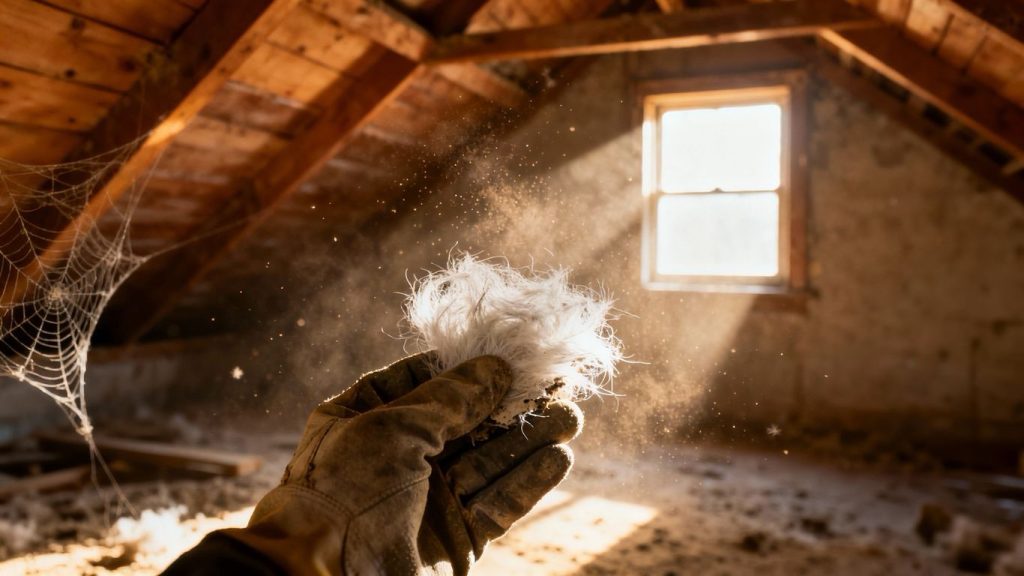
Asbestos is a naturally occurring mineral that was once widely used in building materials. Its appeal stemmed from its durability, resistance to heat and fire, and insulating capabilities. These properties made it a popular choice for manufacturers for many decades. However, the microscopic fibers that make asbestos so useful are also what make it dangerous when disturbed. These fibers can become airborne and, if inhaled, can lead to serious health issues over time.
Health Risks Associated With Asbestos Exposure
Exposure to asbestos fibers can lead to severe and long-term health problems. When asbestos-containing materials are damaged or disturbed, tiny fibers are released into the air. If these fibers are inhaled, they can become lodged in the lungs and other tissues. Over many years, this can cause scarring and inflammation, potentially leading to serious diseases.
- Mesothelioma: A rare but aggressive cancer that affects the lining of the lungs, abdomen, or heart.
- Lung Cancer: Asbestos exposure significantly increases the risk of developing lung cancer.
- Asbestosis: A chronic lung disease characterized by scarring of lung tissue, leading to breathing difficulties.
It is important to note that asbestos-related diseases often take a long time to develop, with symptoms appearing 15 to 40 years or more after initial exposure.
Why Asbestos Was Used in Homes
Before asbestos health risks were fully understood, asbestos was incorporated into a vast array of building products. Its unique combination of properties made it an attractive additive for many applications. Some common reasons for its widespread use include:
- Fire Resistance: Asbestos is non-combustible, making it an excellent additive for materials where fire safety was a concern.
- Insulation: Its fibrous nature provided effective thermal and acoustic insulation, useful in attics, walls, and around pipes.
- Durability and Strength: Asbestos fibers can reinforce materials, increasing their strength and resistance to wear and tear.
- Cost-Effectiveness: It was an inexpensive material to add to products, contributing to its popularity in construction and manufacturing.
Many homes built before the 1980s may still contain materials with asbestos, such as in electrical panel components or older insulation.
Identifying Potential Asbestos Locations
When looking for asbestos in a home, it’s helpful to know where it was commonly used. Many materials in older houses, especially those built before the year 2000, might contain asbestos. It’s not always obvious just by looking, but knowing the typical spots can help you identify potential risks.
Exterior Building Materials
On the outside of a house, asbestos could be found in a few places. Roofing materials, like corrugated sheets or shingles, sometimes contained asbestos for added durability and fire resistance. Siding panels, particularly those made of cement, might also have asbestos. Even concrete paths or driveways laid many years ago could have asbestos mixed in, though this is less common than in roofing or siding.
Interior Walls and Ceilings
Inside the home, walls and ceilings are common areas to check. Textured ceiling finishes, often called “popcorn ceilings,” were very popular and frequently used asbestos for its texture and insulating properties. Drywall joint compounds and plasters used in older homes could also contain asbestos. If you have older ceiling tiles, especially in areas like bathrooms or kitchens, they might be another source.
Flooring and Adhesives
Flooring is another area where asbestos was frequently incorporated. Vinyl floor tiles, both the tiles themselves and the backing material, often contained asbestos. The adhesive used to stick these tiles down could also be a source of asbestos fibers. If you have older linoleum or sheet vinyl flooring, it’s worth considering that it might contain asbestos.
Insulation and Electrical Components
Asbestos was highly valued for its heat resistance, making it a common choice for insulation. This includes insulation around pipes, boilers, and heating ducts. Loose-fill insulation in attics, particularly vermiculite, is another significant concern. In electrical systems, asbestos was used for its insulating properties in fuse boxes, switchboards, and around wiring.
Assessing Asbestos Condition
Once you’ve identified materials that might contain asbestos in your home, the next step is to figure out their condition. It’s not just about where asbestos might be, but how it’s holding up. Asbestos that’s in good shape and left undisturbed generally doesn’t pose a significant risk. However, if these materials are damaged or starting to break down, that’s when they can release fibers into the air, which is the main concern.
The Importance of Condition Assessment
Understanding the state of potential asbestos-containing materials (ACMs) is key to managing them safely. A material that is solid and intact is far less likely to cause problems than one that is crumbling or looks like it’s about to fall apart. This assessment helps you decide whether the material can be left alone, needs to be monitored, or requires professional attention.
Signs of Deteriorating Asbestos Materials
Look out for specific visual cues that suggest an ACM might be deteriorating. These signs indicate that fibers could be becoming airborne:
- Crumbly or powdery texture: Materials that were once solid but now feel soft, chalky, or easily break apart when touched.
- Fraying or unraveling: Especially common with pipe insulation or lagging, where the outer layers might be coming apart, exposing the fibrous material underneath.
- Water damage or staining: Water can weaken asbestos-containing materials, leading to deterioration and potential fiber release.
- Visible fibers: In some cases, you might see small, fuzzy fibers sticking out from the material’s surface.
When to Seek Professional Assessment
While you can observe the general condition of materials, it’s often best to get a professional opinion, especially if you’re unsure or if the material shows signs of damage. A trained asbestos professional can conduct a thorough inspection and provide a detailed report. They have the knowledge and equipment to safely assess the situation. If you’re planning any renovations or if materials appear damaged, it’s highly recommended to consult with a licensed asbestos inspector. They can help determine the best course of action, whether that’s leaving the material alone, encapsulating it, or arranging for safe removal. For more information on testing methods, you can refer to this guide on testing for asbestos.
Safe Handling and Management Practices
Avoiding Disturbance of Suspected Materials
When you suspect a material in your home might contain asbestos, the most important thing to do is leave it alone. Don’t try to clean it, scrape it, sand it, or break it in any way. Disturbing these materials can release tiny asbestos fibers into the air. These fibers are invisible and can easily be inhaled, leading to serious health issues like mesotheliomadown the line. Think of it like a sleeping dragon – you don’t want to poke it.
The Role of Licensed Professionals
For anything beyond simple visual identification, it’s best to bring in the pros. Licensed asbestos abatement professionals have the training and equipment to handle these materials safely. They know how to test suspect materials, remove them if necessary, and dispose of them properly. Trying to do this yourself can be dangerous and may not meet legal requirements for asbestos disposal.
Proper Protective Measures
If you absolutely must be near materials that might contain asbestos, or if professionals are working on them, wearing the right protective gear is key. This includes:
- Respirators: Use a high-efficiency particulate air (HEPA) filtered respirator, not just a dust mask.
- Coveralls: Disposable coveralls help prevent fibers from clinging to your clothing.
- Gloves and Eye Protection: These offer an additional layer of defense.
Safe Disposal Procedures
Asbestos waste is considered hazardous. It cannot simply be thrown in the regular trash. Licensed professionals will handle disposal according to strict regulations, usually at designated hazardous waste facilities. If you are ever involved in a situation where asbestos needs to be removed, confirm that the disposal plan is compliant with all local and federal laws.
Professional Asbestos Surveys
Purpose of Asbestos Surveys
Professional asbestos surveys are a key step in identifying and managing asbestos-containing materials (ACMs) within a property. These inspections are designed to locate potential asbestos, assess its condition, and provide a clear picture of the risks involved. A thorough survey helps property owners make informed decisions about safety and future renovations. It’s not just about finding asbestos; it’s about understanding its presence and how to handle it responsibly.
Types of Asbestos Surveys
There are generally two main types of asbestos surveys homeowners might encounter:
- Management Survey: This type of survey is performed in buildings that are occupied and used regularly. Its main goal is to find and document any asbestos-containing materials that could be disturbed during normal activities, routine maintenance, or minor repairs. It’s a non-intrusive inspection, meaning it aims to disturb the materials as little as possible. The findings help create an asbestos register and a plan to manage the materials safely.
- Refurbishment and Demolition Survey: This survey is required before any significant renovation or demolition work begins. It’s a more intrusive inspection, as the goal is to locate and identify all asbestos-containing materials in the areas where work will take place. This is because the planned work will likely disturb asbestos, making its identification critical for safety.
Benefits of Professional Inspections
Opting for a professional asbestos inspection offers several advantages. Trained inspectors have the knowledge and tools to identify materials that might contain asbestos, even in less obvious places. They can also assess the condition of these materials, determining if they pose an immediate risk. The detailed report provided after the survey serves as an important document for:
- Risk Assessment: Understanding the potential hazards associated with identified ACMs.
- Management Planning: Developing strategies for safe handling, monitoring, or removal.
- Future Reference: Keeping a record for property transactions or future work.
- Regulatory Compliance: Meeting legal requirements related to asbestos management.
Navigating Renovations with Asbestos
Planning a renovation on a home built before 1987? It’s important to know that asbestos-containing materials (ACMs) might be present. Disturbing these materials during construction can release harmful fibers into the air. Therefore, a thorough asbestos inspection before any work begins is not just recommended, it’s a critical step for safety.
Pre-Renovation Asbestos Inspections
Before you even pick up a hammer or hire a contractor, you need to know what you’re dealing with. A specialized inspection, often called a Refurbishment/Demolition Survey, is designed for this exact situation. Unlike a standard management survey, this type of inspection is more intrusive. It aims to find all ACMs, even those hidden behind walls or under flooring.
- Purpose: To identify and locate every piece of asbestos-containing material in the areas slated for renovation.
- Methodology: This often involves minor destructive methods, like drilling or opening up small sections of walls, to get a clear picture of what’s behind surfaces.
- Outcome: A detailed report outlining the type, location, and condition of any ACMs found, which is vital for planning safe work.
Informing Contractors of Asbestos Presence
Once you have the results of your asbestos inspection, you must share this information. Transparency with your contractors and any tradespeople involved is key to preventing accidental exposure.
- Communicate Clearly: Provide contractors with a copy of the asbestos survey report. Make sure they understand the findings and the implications for their work.
- Discuss Safe Practices: Talk about how the identified ACMs will be managed or removed. This might involve specific containment procedures or requiring licensed professionals for certain tasks.
- Contractual Agreements: Consider including clauses in your contracts that address asbestos handling and safety protocols.
Managing Asbestos During Building Work
How asbestos is managed during renovations depends on its condition and the scope of the work. If ACMs are in good condition and won’t be disturbed, they might be left in place with proper labeling. However, if they are damaged or in the path of renovation, professional intervention is usually necessary.
- Non-Disturbance: If ACMs are intact and not in the work area, the safest approach is often to leave them undisturbed and clearly mark them as containing asbestos.
- Containment: For ACMs that must remain but are near work zones, containment strategies might be employed to prevent fiber spread.
- Removal: If ACMs are damaged or directly impacted by the renovation, they must be safely removed by licensed asbestos abatement professionals. This ensures proper handling, disposal, and air quality monitoring.